
Small business owners tend to approach video the same way. They decide they need one, they picture something like a commercial, they get a quote, and then the project dies because the number was built for a brand film and the budget was built for a first attempt.
The problem is usually the order. Most businesses try to make the most expensive thing first, when the cheapest assets would have done more work.
Here is what to shoot first, why, and what each piece actually gets used for.
The mistake: leading with the brand film
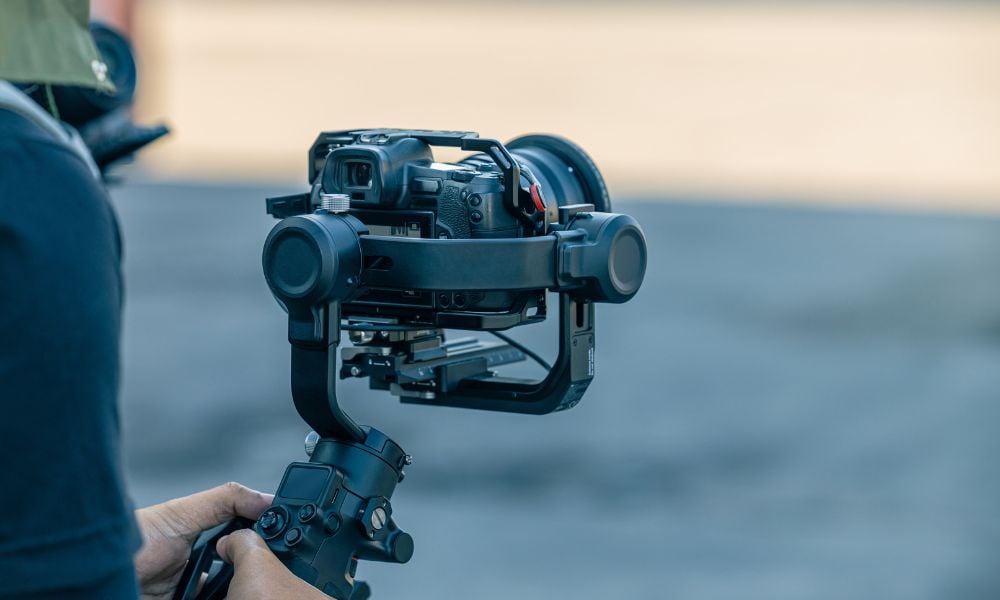
The ninety-second cinematic piece with the founder walking through the shop and the music swelling is a legitimate asset. It is also the one with the longest production timeline, the highest cost, the shortest shelf life, and the narrowest use.
Where does it actually run? The homepage, where a fraction of visitors will start it and fewer will finish. Maybe a trade show loop. That is a real return, and it is not the first return you should be buying.
The pieces that get used every week are shorter, plainer, and much cheaper to produce. Build those first and the brand film becomes the thing you make in year two, when you actually know what your story is.
Shoot these first
1. The founder or owner answering one question, straight to camera
Thirty to sixty seconds. No script read from a teleprompter. One question, one honest answer, shot well.
This is the highest-return video a small business can make, because the thing a prospect is actually uncertain about is you. They can see your prices and your reviews. They cannot tell whether they will like dealing with you.
The trick is doing several in one sitting. Block two hours, set up once, and answer twelve questions. You now have twelve pieces of content instead of one, and the marginal cost of questions two through twelve is close to zero. That single decision is the difference between a video shoot and a video library.
2. The frequently asked questions
Whatever your phone asks most. How long does it take, what does the process look like, do you handle the permits, what happens if it rains, how does financing work.
These live on your service pages, in your email follow-up, in your quote delivery, and on social. They also answer objections before a human has to, which shortens the sales conversation.
3. The work itself
Whatever your business actually does, filmed while it happens. A kitchen during service. A crew on a roof. An installation. A treatment room.
This is the cheapest content you will ever produce because it requires no setup, no talent, and no scheduling. It is just someone with a decent camera documenting a normal day. It is also disproportionately persuasive, because competence is easier to show than to claim.
Shoot more than you need. A day of documentation produces months of material.
4. The people
Short introductions of the team members a customer will actually encounter. The technician, the front desk, the estimator.
For any business where a stranger comes into someone’s home, this is not soft content. It is a safety signal, and it meaningfully reduces the hesitation before booking.
5. The before and after
Where your work produces a visible change, document both ends of it with the same framing and the same lighting. Consistency is what makes these convincing.
In regulated categories this comes with conditions. Aesthetics practices in particular need separate written authorization for marketing use, which we covered in our piece on medspa marketing compliance.
6. The customer, in their own words
Last on the list deliberately, because it is the hardest to get and the most often faked.
A real customer on camera beats a written testimonial by a wide margin, and a scripted one is worse than nothing because everyone can tell. Ask an open question and let the answer be imperfect. The pauses are what make it believable.
What actually determines whether it looks professional
Owners usually assume the camera is the variable. It rarely is. Four things matter more.
Audio. Viewers forgive mediocre picture and abandon bad sound instantly. A lavalier or shotgun mic is the single highest-return equipment purchase in video, by a large margin.
Light. A subject placed near a window, facing it, looks dramatically better than the same subject under overhead fluorescents. This costs nothing and requires only that someone think about it before pressing record.
Stability. A tripod, or a stabilized shot. Handheld wobble reads as amateur faster than anything else.
Framing. Eye level, subject slightly off-center, uncluttered background. Ninety seconds of attention before the shoot saves an hour in editing.
Formats, because one export is not enough
Every piece should come off the shoot in at least two shapes: vertical for social and phone, horizontal for the website and YouTube. Shooting with both crops in mind is a decision made on set, not in post.
Two more things that get skipped and should not:
Burn in captions. The large majority of social video is watched without sound. Uncaptioned video on social is functionally invisible.
Post to YouTube even if nobody subscribes. It is the second largest search engine, it is Google-owned, and Google’s AI surfaces cite YouTube heavily. A video answering a common question in your industry can pick up search traffic for years with no further effort. Title and describe it the way you would a web page.
A realistic first year
Shoot one: the owner answering twelve questions, plus team introductions. One session, one setup.
Ongoing: documentation of real work, captured by whoever is already on site. Phone footage is fine if it is stable and the light is not fighting you.
Shoot two, a few months in: customer interviews, once you have identified two or three people who genuinely like you and will say so on camera.
Year two: the brand film, now that you have a year of footage to cut from and a clearer sense of what you actually sound like.
That order produces usable assets in week one instead of month four, and it costs less in total than leading with the expensive piece.
The part worth paying for
You can shoot a lot of this yourself, and you should. Where hiring earns its money is the anchor session: the interviews, the team, the pieces that will sit on your website for three years and represent you to people who have never met you. Those deserve real audio, real lighting, and someone who knows how to make a nervous person comfortable on camera.
We handle video production and brand films across the OKC metro, and it pairs with photography when a single session can produce both. Everything we shoot is yours outright, raw footage included. Get in touch if you want help planning a first session that actually produces a library.
More from Design Thumbprint

Brand Video on a Small Business Budget: What to Shoot First
Most businesses try to make the most expensive video first. The pieces that get used weekly are shorter, plainer, and far cheaper. What to shoot first and in what order.

What You Should Actually Receive When You Pay for a Logo
Paying for a logo and receiving a PNG is not the same as owning a logo. The file formats, versions, documentation, and ownership terms a complete delivery includes.

Google Local Services Ads vs. Google Ads for Home Service Businesses
One charges when someone contacts you, the other when someone clicks. How Local Services Ads and Google Ads differ, which jobs each wins, and what is changing in the platform right now.
Want this kind of thinking applied to your marketing?
We are a boutique agency in Edmond working with businesses across Oklahoma and beyond. If something here raised a question about your own marketing, ask us directly.
- Call
- 405-766-6169
- info@designthumbprint.com