The intersection of AI and politics is where dazzling technology meets high stakes. Generative tools can create believable videos, clone voices, and fabricate photos in minutes. That same power fuels civic creativity—explainer videos, policy visualizations, voter education—but it also supercharges misinformation, harassment, and election interference.
This article is a practical, non-alarmist playbook for AI and politics safety: how the risk landscape is changing, what to watch for, and how to verify before you amplify. You’ll get specific tips and tools for checking sources, a lightweight workflow for campaigns and newsrooms, and policy nuggets you can adopt today.
Why AI + Politics Is a Unique Risk Zone
High incentives, low friction. Political moments are time-sensitive. A fake video of a candidate, a cloned robocall, or a doctored protest clip can travel far before corrections catch up. Audio deepfakes are especially slippery because they’re easy to make and hard to detect reliably.
Detection isn’t enough. Detectors improve, but none are perfect. The safest approach combines provenance, source-checking, and human review rather than betting on a single “deepfake detector.”
Rules are evolving. Regulators are moving toward labeling obligations for AI-generated content and transparency codes to curb deceptive deepfakes—especially around elections. Aligning early with these expectations reduces risk and confusion later.
The Four Biggest Risk Types
- Identity Manipulation and Fraud
Voice clones mimicking leaders or election officials; fabricated concession or victory messages; fake endorsements and robocalls. - Context Collapse and Synthetic Scenes
A real photo miscaptioned to imply violence or wrongdoing; a generated clip that appears to show ballot tampering or illegal activity. - Harassment and Intimidation
Non-consensual sexualized images of public figures or staffers; altered photos designed to damage reputation or suppress turnout. - Policy Confusion and Stolen Valor
AI-written statements attributed to real people; fake “official” documents and graphics that mimic government or campaign styles.
Your Safety Toolkit: Verify Before You Amplify
1) Pause and Profile the Asset
- What is it (image, video, audio, text screenshot)?
- Where did it first appear (platform, handle, timestamp)?
- What does it claim (event, location, date, people)?
- What would be the real-world consequence if false (panic, voter suppression, reputational harm)?
2) Run Basic Technical Checks
- Reverse image search the still or keyframes. Break video into keyframes first.
- Look for provenance signals such as Content Credentials (C2PA), which may show who created or edited a file and when. Absence isn’t proof of fakery; it’s a signal to lean harder on other checks.
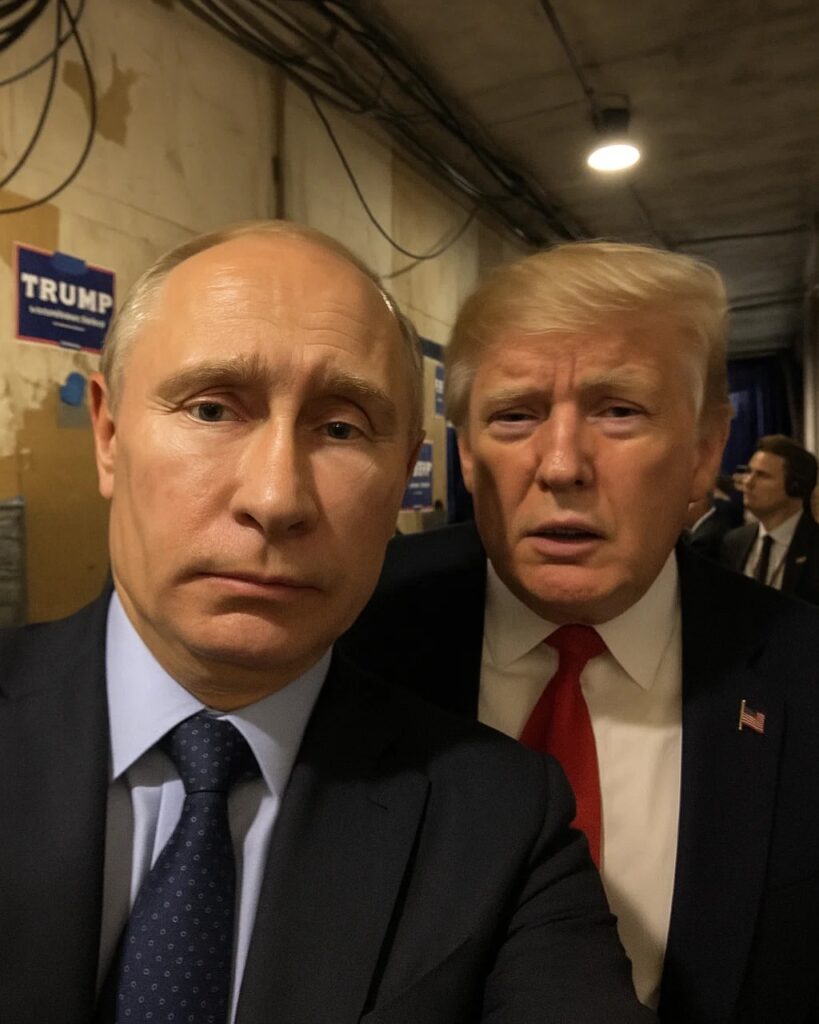
- Scan for artifacts: mismatched lip-sync and room tone, odd lighting, warped jewelry or hands, inconsistent reflections, tiny text/signage glitches. Detectors can help, but treat them as one input, not a verdict.
3) Corroborate Independently
- Cross-source the event. Are credible outlets, election offices, or trusted local journalists reporting the same incident?
- Geolocate and chronolocate. Does the background match the claimed place (landmarks, signage)? Does the weather and sun angle fit the date and time?
- Contact the source. Ask for originals, context, and permission. Genuine eyewitnesses often have multiple angles or uncompressed files.
4) Decide and Disclose
- Verified: Publish with context, including original source and time.
- Unverified but newsworthy: Publish with clear uncertainty language and note that verification is ongoing.
- False or manipulated: Avoid resharing the asset itself. Explain what’s false, how you checked, and where readers can learn more (e.g., rumor-control pages or your verification explainer).
Process, Not Panic: A Lightweight Governance Model
Policy in Plain English
- No impersonations. Do not create or share AI that impersonates a real person without consent and clear disclosure.
- Label synthetic realism. If content is AI-generated or materially altered, label it in the asset and the caption.
- Escalate sensitive categories. Anything election-related, medical, or targeting minors requires mandatory human review.
Roles and Escalation
- Verification lead to own tools, checklists, and training.
- Legal/policy contact to handle consent, platform reporting, and takedowns.
- Communications lead to draft transparent updates when something is unverified, false, or under investigation.
Minimum Tooling
- Two independent deepfake checks (image/video and voice), understood as advisory signals.
- Provenance support (e.g., C2PA) for outbound media to build trust and make your assets easier to verify.
- Verification utilities (reverse image search, video keyframe tools) plus a shared SOP for metadata capture.
How to Communicate Uncertainty Without Losing Trust
- State what you know, what you don’t, and what you’re doing next.
- Use specific time and place stamps (“Recorded 3:12 p.m. outside the county clerk’s office”).
- Describe your method in brief (“Keyframes searched; no match found yet; requesting originals”).
- Avoid amplifying the fake. If you must show it, watermark or blur and pair it with the verified correction.
For Campaigns: A 10-Day Pre-Election Safety Sprint
Days 1–2: Lock Policy and Train
Publish a one-pager covering labels for synthetic media, escalation rules, and a contact sheet. Run a 30-minute drill on spotting fakes and using basic verification tools.
Days 3–4: Set Up Monitoring
Track candidate and staff names plus likely rumor topics across major platforms. Bookmark official election sources and rumor-control pages for rapid reference.
Days 5–6: Harden Outbound Media
Export campaign videos and images with content provenance where possible, and keep originals, prompts, and edit logs in a secure archive.
Days 7–8: Practice Takedowns
Draft platform-specific requests citing deepfake and impersonation rules. Rehearse a public correction post that’s short, clear, and free of legalese.
Days 9–10: Red-Team Scenarios
Simulate a voice-clone robocall and a doctored rally photo. Time the loop: detection, verification, statement, takedown. Fix bottlenecks uncovered in the exercise.
For Newsrooms and Civic Orgs: Editorial Standards That Scale
- Gate sensitive claims. Any content alleging criminal acts, election fraud, or incitement requires two-source verification at minimum.
- Never rely on a single detector. If tools disagree, lean on forensics and on-the-ground reporting.
- Disclose synthetic assistance. If you used AI to enhance audio, translate, or generate B-roll, say so.
- Keep receipts. Preserve originals, hashes, and verification notes; link methodology in corrections or follow-ups.
Voter-Facing Tips You Can Share
- Check the source. If a shocking clip lacks a credible origin or appears only on low-reputation accounts, be skeptical.
- Look for labels. Some content ships with Content Credentials that reveal how it was made or edited. Inspect them when present.
- Reverse search it. Screenshots and short clips can be traced. If it’s old footage with a new caption, you’ll often find the original.
- Check official channels. For election procedures and results, start with election offices and recognized security authorities.
- When in doubt, don’t share. If you can’t verify it, wait. Speed is how fakes win.
Building Long-Term Resilience
Adopt provenance for your own media. If you publish political or civic content, ship with content credentials so others can verify you quickly.
Invest in literacy. Programs and newsrooms that train people in verification skills significantly reduce the spread of fakes. Offer short, recurring workshops and provide a simple checklist.
Coordinate across teams. Elections involve IT, legal, comms, and field staff. Share an incident channel and a one-page checklist so verification isn’t bottlenecked to one person.
The Bottom Line
AI is transforming political communication—not just how we create, but how we deceive. Detectors help, but the durable advantage is process: label synthetic media, verify before you amplify, and maintain a short, clear playbook for takedowns and public corrections. Do those things consistently and you’ll keep your community informed, protect your reputation, and make space for the good side of AI in politics—clearer explanations, more accessible materials, and authentic civic storytelling.
More from Design Thumbprint

Location Pages That Actually Rank, and the Ones Google Ignores
Twelve city pages with the name swapped is a doorway page pattern, and it cannot beat proximity anyway. What location pages can actually do, and the test for whether one should exist.

SMS Marketing and A2P 10DLC: What You Have to Do Before You Send
Carriers block unregistered business texts silently, with no error and no notification. What A2P 10DLC registration requires, what gets submissions rejected, and the three compliance layers underneath it.

The Edmond Business Owner’s Guide to Showing Up in “Near Me” Searches
Edmond sits at the northern edge of a metro whose center is fifteen miles south, and Google’s local results are built around proximity. How near me searches actually work and what moves visibility here.
Want this kind of thinking applied to your marketing?
We are a boutique agency in Edmond working with businesses across Oklahoma and beyond. If something here raised a question about your own marketing, ask us directly.
- Call
- 405-766-6169
- info@designthumbprint.com